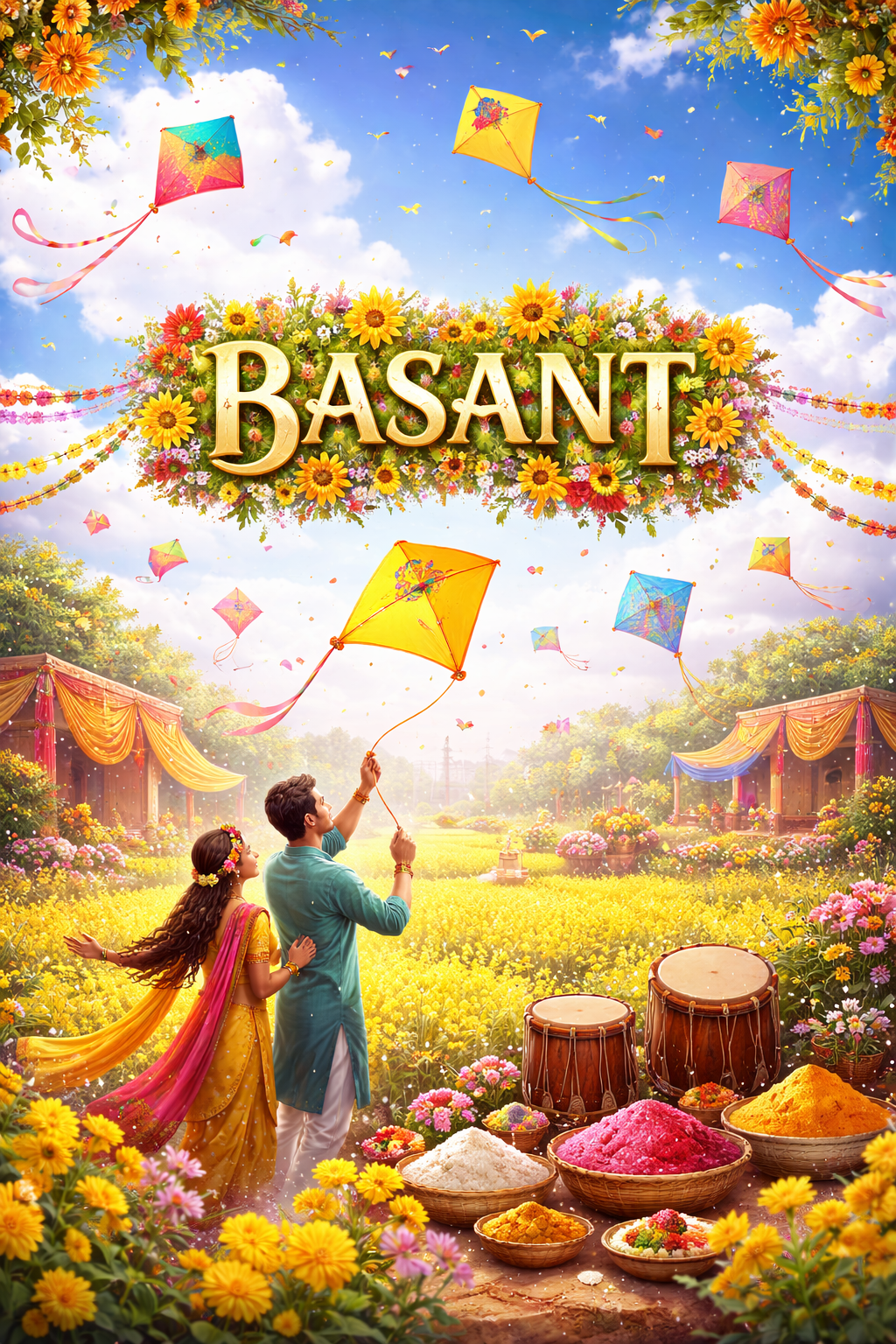
Basant is one of the most colorful and joyful seasonal festivals celebrated in South Asia, especially in Punjab. It marks the arrival of spring and is traditionally associated with happiness, renewal, and the beauty of nature. Known for vibrant kite flying, yellow clothing, festive food, and rooftop gatherings, Basant represents a deep cultural connection to changing seasons and community celebration.
Although the way Basant is celebrated has changed over time, its cultural importance remains strong in the hearts of many people. The festival is not just about kites; it is also about welcoming new beginnings, celebrating life, and bringing people together.
What Is Basant and Why Is It Celebrated?
Basant is a seasonal festival that celebrates the end of winter and the beginning of spring. The word “Basant” comes from Sanskrit and is linked to the spring season. In Punjab and other parts of South Asia, Basant has traditionally been a way to welcome warmer weather, blooming flowers, and longer days.
Historically, Basant was celebrated by farmers, families, and communities as a symbol of hope and renewal. Spring represents growth and fertility, which is especially meaningful in agricultural regions. Over time, Basant also became a cultural and social festival, turning into a major event in cities like Lahore.
Cultural Roots and Historical Background of Basant
Basant has deep historical roots that go back hundreds of years. It has connections with ancient South Asian traditions, poetry, and folklore. During different historical periods, including the Mughal era, Basant was celebrated at royal courts as well as among common people.
Poets, musicians, and artists often associated Basant with love, beauty, and joy. The yellow color, which is strongly linked to Basant, represents blooming mustard fields and the brightness of spring. Traditional poetry and songs were often performed during Basant gatherings, making it both a cultural and artistic celebration.
Kite Flying – The Most Famous Tradition of Basant
Kite flying is the most iconic part of Basant celebrations, especially in Punjab. On Basant day, rooftops are filled with people flying colorful kites of different shapes and sizes. The sky becomes a beautiful display of moving colors, creating a festive atmosphere.
People compete to cut each other’s kites using special strings. Shouts of joy, laughter, and excitement fill the air when a kite is cut. For many, kite flying is not just a game but a tradition passed down through generations.
Kite sellers, string makers, and small businesses traditionally benefited from Basant season, making it an important time for local economies as well.
Why Yellow Is the Color of Basant
Yellow is strongly associated with Basant because it represents spring flowers, especially mustard fields that bloom across Punjab. People often wear yellow clothes, decorate their homes with yellow flowers, and prepare yellow-themed food during Basant.
The color symbolizes happiness, warmth, and new life. It also reflects the bright sunlight and positive energy that come with the spring season. This is why Basant is sometimes called a “festival of yellow.”
Traditional Food and Sweets of Basant
Food plays an important role in Basant celebrations. Families prepare special dishes and sweets to share with guests and neighbors. Some popular foods associated with Basant include:
- Halwa
- Kheer
- Pakoras
- Sweet rice
- Traditional Punjabi snacks
Rooftop parties often include homemade food, tea, and desserts. Sharing food is an important part of the festival and helps strengthen social bonds.
Basant and Community Spirit
One of the most beautiful aspects of Basant is the strong sense of community. Neighbors gather on rooftops, friends visit each other’s homes, and families spend time together. The festival creates a feeling of togetherness and happiness.
People of different ages participate, from children flying small kites to elders enjoying the atmosphere and memories. Basant becomes a shared experience that brings people closer.
Safety Concerns and Changes in Basant Celebrations
Over time, safety issues related to kite flying, especially the use of dangerous string, have led to serious concerns. These risks have caused authorities to place restrictions or bans on Basant celebrations in some areas.
As a result, the traditional large-scale celebrations have decreased in certain cities. However, the cultural memory of Basant is still strong, and many people continue to remember and celebrate the spirit of the festival in safer ways.
Some communities now focus more on cultural events, music, food, and family gatherings instead of competitive kite flying.
Basant in Modern Times
In modern times, Basant is often remembered with nostalgia, especially by people who experienced large celebrations in the past. Social media, photos, and videos help keep the memories alive and allow younger generations to learn about the tradition.
Cultural organizations and artists also play a role in preserving Basant’s legacy by organizing exhibitions, music events, and storytelling sessions related to spring and traditional festivals.
The Emotional and Cultural Importance of Basant
Basant is more than just a seasonal event. For many people, it represents childhood memories, family traditions, and a sense of identity. It is connected to feelings of joy, freedom, and celebration.
The festival also reflects the human connection with nature. Celebrating the arrival of spring reminds people of the cycles of life, growth, and renewal.
Basant as a Symbol of Hope and New Beginnings
Spring is a time of new beginnings, and Basant carries this symbolic meaning. It encourages people to leave behind the cold and dull winter and welcome brighter days. This makes Basant a festival of hope, positivity, and fresh starts.
For farmers, spring means new crops and new opportunities. For families, it means outdoor gatherings, fresh air, and a renewed sense of energy.
Conclusion
Basant is a deeply rooted cultural festival that celebrates the arrival of spring, joy, and community. Known for kite flying, yellow colors, festive food, and rooftop gatherings, it has long been a symbol of happiness and renewal in South Asia, especially in Punjab.
Even though large-scale celebrations have changed due to safety and legal concerns, the spirit of Basant continues to live on in memories, cultural traditions, and the hearts of people. Basant remains a powerful reminder of how festivals connect people to nature, culture, and each other.
Readmore: 8171